
Homeowner’s Guide
Spray Polyurethane Foam: high performance insulation for comfort and energy savings.
A Homeowner’s Guide to Spray Polyurethane Foam
Spray Polyurethane Foam, or SPF, is a high-performance insulation material commonly used in homes and buildings of all types. SPF is particularly known for its ability to help improve the health, comfort, and energy efficiency of a home. Use of the material can dramatically reduce the energy costs associated with heating and cooling, while helping to keep the home interior comfortable year-round, even as the seasons change.
SPF has been used as insulation in homes and buildings for decades. As a new homeowner or prospective buyer, you may have questions about the material and how well it works. This guide will help you better understand why SPF is a leading choice of insulation by homeowners.
Spray Polyurethane Foam (SPF) Insulation
As a thermal insulator, SPF is one of the highest performing insulations available. Spray applied by professional installers, the material forms in place. It fully adheres and initially expands to eliminate cracks and gaps that leak air or water vapor. It may also be applied in a continuous layer, eliminating most thermal bridges caused by framing. These thermal and air-sealing qualities are what directly result in lower home energy bills.
Closed-cell SPF, a denser and more rigid version of the material, also provides structural enhancement and can qualify as a water vapor retarder, a water-resistant insulation and a secondary water barrier. It may be applied in the interior of walls, as well as along exterior walls as continuous insulation – above or below grade.
Did You Know?
SPF is a type of polyurethane. Polyurethane was invented in the 1930s and has since been used widely and safely in many different applications. We all interact with polyurethanes daily: they are a preferred material in furniture, mattresses, automobiles, airplanes, clothing, shoes, and sporting and camping equipment. Rigid polyurethane foam is also used to insulate refrigerators, freezers, coolers and hot water heaters.
SPF acts as a single-material solution for thermal, air, vapor1 and water1 vapor transmission through the home’s building envelope. Think of the envelope as the clothing you wear on a windy, damp winter day: a sweater (fibrous insulation) provides R-value, but it does not stop the wind or control moisture; you would be far more comfortable adding a thin waterproof windbreaker (air barrier and vapor retarder). SPF is the only insulation inside stud walls that provides R-value, air barrier and vapor barrier in a single product.
1 Only closed-cell SPF is a water-resistant vapor retarder material.
Benefits of Spray Foam Insulation
The properties of SPF insulation can help you:
- Save 30% or more on heating and cooling costs
- Keep your home cooler in summer and warmer in winter
- Control your indoor air quality
- Increase your indoor comfort in all rooms
- Reduce pollutants, allergens and pests entering your home
Open Cell or Closed Cell Spray Foam?
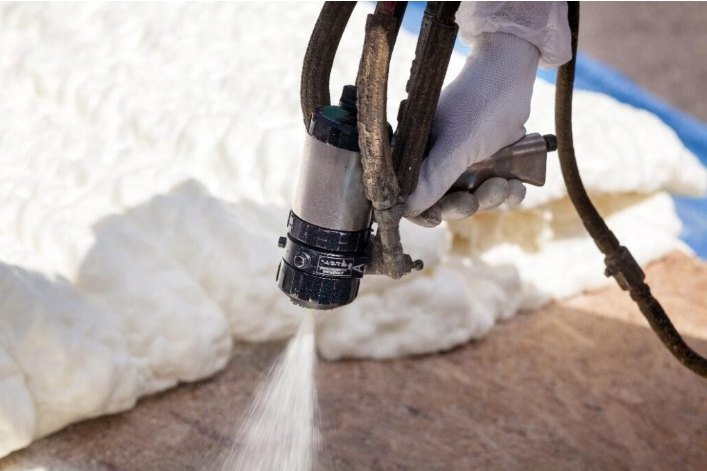
Open-Cell Spray Foam
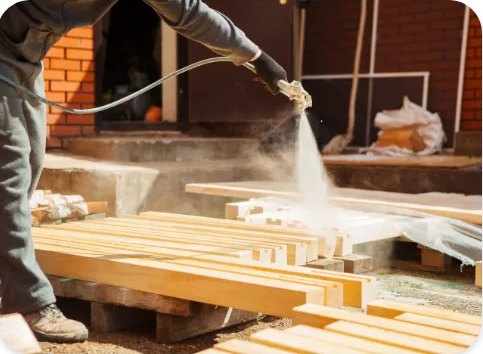
Closed-Cell Spray Foam
Where Spray Foam May Be Applied
SPF insulation comes in two types, and both can be used in any climate zone. These are the most common places it is installed in a home:
- Unvented attics
- Cathedral ceilings
- Attic floor
- Above ceiling
- Soundproofing
- Exterior walls
- Interior walls
- Below floors
- Garage ceilings
- Unvented crawlspace
- Basement walls
- Outside ductwork
- Outside below-grade walls
- Below slab
Why Choose Spray Foam?
One application seals and insulates the whole building envelope: from the roof deck and cathedral ceilings to the crawlspace, basement walls and even below the slab. The result is a quieter, more comfortable home with lower energy bills.
Not sure what your project needs? Our team can help you choose the right product and connect you with a professional installer.
SPRAY FOAM MYTH BUSTER
Spray Foam Myths vs. Facts
Myth #1: SPF is flammable.
False. Cured SPF, and the chemicals used to make SPF, are not flammable. They are considered “combustible” which, like many common building materials including wood, means they require a higher than normal temperature to ignite. In some cases spray foam can even improve fire safety by blocking flame spread inside frame walls.
Myth #2: SPF releases toxic chemicals into the home.
False. Following proper installation and curing, SPF does not off-gas toxic chemicals. SPF can help prevent unwanted infiltration of pollutants, allergens and moisture and, combined with proper mechanical ventilation, can improve indoor air quality. Installers wear protective equipment mainly because of short-term chemical hazards during and within a few hours after application.
Myth #3: SPF makes a home too airtight.
True… which is good. SPF prevents the infiltration of unwanted moisture and the exfiltration of conditioned air, which can reduce the condensation that causes mold, mildew, poor indoor air quality, rot or corrosion. A properly designed spray foam home also includes controlled ventilation to bring in small amounts of outside air and displace odors from normal activity while minimizing energy loss.
Myth #4: SPF increases termite infestations.
False. SPF is not a food source for wood-destroying organisms like termites. It seals cracks and gaps, reducing paths for insects and other pests, and it controls the moisture termites need to thrive. When properly applied, SPF can be installed to allow regular visual termite inspections, providing no greater risk of termite damage than any other cavity insulation.
GET IN TOUCH
NEED HELP? CONNECT WITH US!
+ (956) 640-3340
example@email.com
Follow Us
Get the Latest Updates, Join Our Newsletter